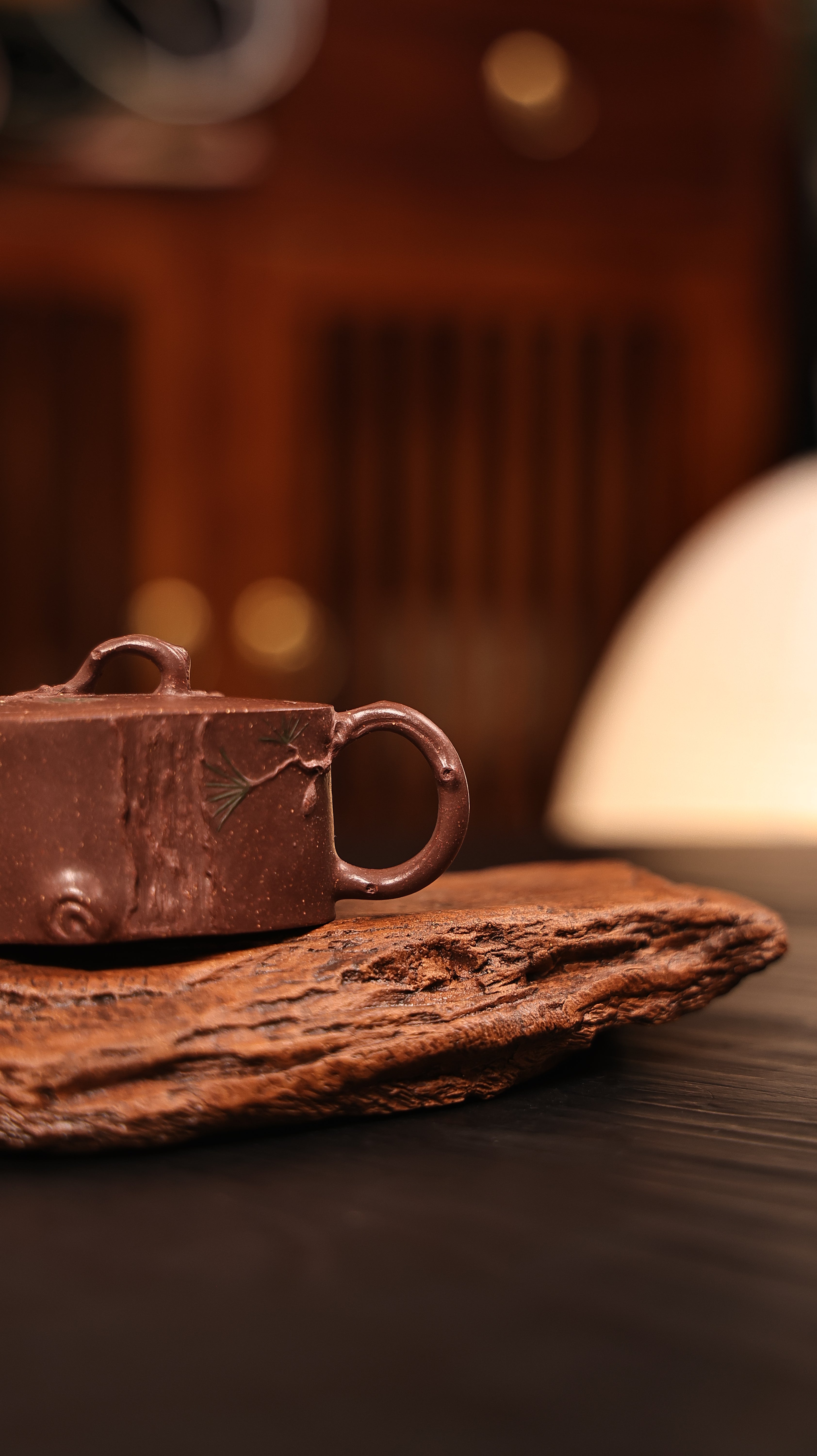
How can reviews that mention Zisha Teapot heat retention influence buyer decisions?
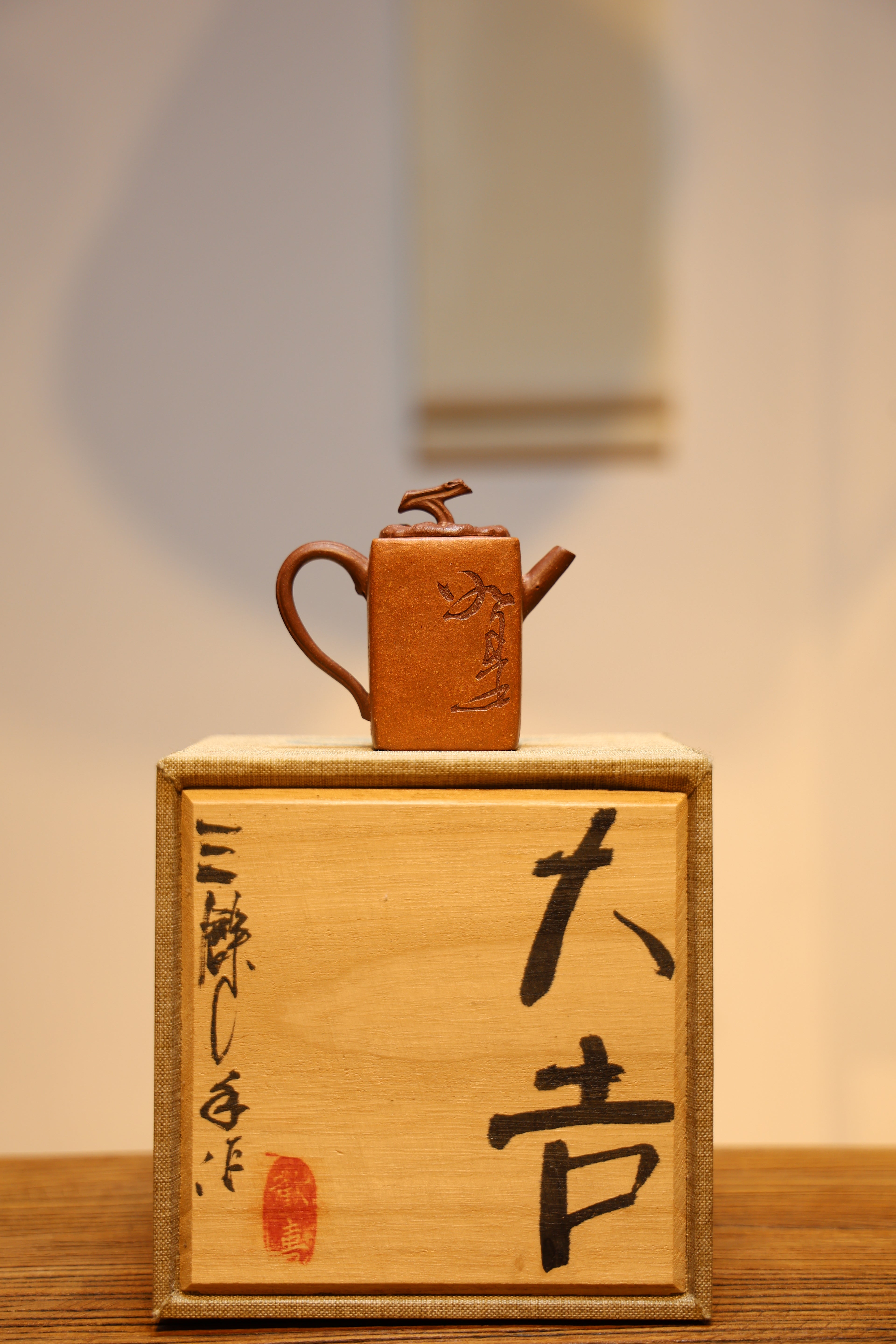
Lasting history defines Eastern ceramic pots around generations,
Reflecting peculiar attributes extracted across local violet earthen materials, those earthenwares build up a glow after handling, amplifying profile yielded from developed extracts.
Unveiling Yixing Clay: In-Depth Insights into Zisha
Numerous enthusiasts admire the singular structure of Yixing mulberry clay, a linchpin of enduring Chinese craft. Springing from the Yixing region of Jiangsu province, this exquisite clay presents an fine mineral blend, whichever imparts exceptional qualities to the final pieces. Models within Zisha, including Hong Mud, Duan Ni Mud, and Jiang Xi Mud, each possesses individual hues, feels, and baking traits, shaping the diffusibility and the definitive savor growth of the tea.
Sino Jar Practices: Investigating Artistry
Asian teapots embody greater than mere holders for concoction; they signify centuries of ancestral knowledge. From the legendary Yixing clay variations, respected for their open nature which transfers unique tones to the brew, to the fine porcelain from Jingdezhen, each piece reveals a chronicle of passion. The fabrication process is an intricate practice, often bequeathed through lineages of artists. These artisans use traditional strategies such as hand-building, forming on wheels, and embellishing, demonstrating profound reverence for the element and the art itself. Visualize the devotion invested in each piece as a symbol of Chinese tradition legacy.
- Eastern clay teapots: a distinguished selection.
- Refined china teapots: acclaimed as their fragile design.
- Modeling techniques: a demanding yet fruitful procedure.
Purple Clay Pitcher Preservation: Conserving Your Prized Possession
Fitting upkeep of your esteemed Yixing Zisha teapot is fundamental to boosting its longevity. Crafted from noteworthy purple sand clay, these fine teapots form a rich patina after operation, significantly boosting their allure. Eschew agents; a gentle rinse with mildly heated hydrous matter is sufficient. Refrain heated water for cleaning the teapot, as it may break its fabric. Allow it to dry away from harsh sun beams. Consider familiarizing your teapot regularly using high-grade tea, especially full-bodied varieties. Here is a brief instruction:
- Wash out with lukewarm moisture.
- Stay away from solvents.
- Allow it to dry fully.
- Condition with choice tea.
Ancestry of Yixing Teapots: From Simple Starts
The tale of Yixing teapots commences humbly during the Han dynasty, circa the 16th phase. Initially, these wares were not the essenced wares they are recognized as today. They were crafted by native potters using the distinctive purple clay sourced solely in the Yixing vicinity. These early works were chiefly utilitarian, purposed for regular employment and often modest in form. It was not until the following dynasty that they commenced to earn fame beyond mere utility wares.
Choosing the Right Yixing Teapot: A Fundamental Explanation
Starting the field of Yixing teapots can be formidable, but refrain from doubting! For newcomers, the most important factor is understanding the clay. Validated Yixing clay is prized for its diffusibility, allowing the teapot to soak up the tea's tone over time, increasing every developing session. Envision the profile; traditional globular shapes prevail, yet unique preferences matter. Lastly, review the glaze—while some favor an raw appearance, others cherish a light gloss. Take your time in the acquisition process—this is an commitment in a valued piece of production.
Chinese Purple Containers and Their Influence on Chinese Infusion Tradition
Zisha kettles, originating from Yixing, China, have profoundly dictated customary Chinese drink culture. The Yixing clay teapots, prized for their particular shade, texture, and exceptional ability to impart a subtle taste to the concoction, act as more than mere containers; they are held dear creations and symbols of prestige. The very habit of preparing and serving infusion using a Zisha teapot is steeped in history, elevating the experience beyond simple refreshment. Dynasties of artisans have honed their techniques, passed down through descendants, resulting in highly coveted pieces. Because of this, Zisha teapots are frequently gathered, playing a crucial part in cultivating Chinese appreciation for aesthetics Chinese Teapot and the ceremony of beverage ceremonies.
- Peculiar Clay Composition
- Providing Subtle Flavor
- Detailed Craftsmanship
Determining Verified Precious Local Vessels
Collecting a original Yixing teapot can be a beneficial experience, but the realm is often overrun with replicas. Identifying between a true antique and a new reproduction requires exact inspection. Key signs include the clay's auburn shade, often displaying tiger skin marks, and the shortage of modern firing imprints. The design should exhibit natural refinement, reflecting the traditional Yixing look. Finally, analyzing the creator's emblem is essential to verify validity against official references.
- Assess the clay's feel.
- Look for inconsistencies, indicative of tailored quality.
- Seek an connoisseur for validation.
Acquiring Zisha Pitchers: A Comprehensive Handbook to Clay Ware Review
The industry of 宜兴 Zisha containers delivers a noteworthy opportunity for astute buyers. Steadily, the appraisal of these skilled artifacts is influenced by several conditions, such as the level of material, the proficiency of the fabricator, the legacy consequence, and, naturally, the current market. Newcomers should focus on researching the diverse kinds of Zisha clay—such as Glacial, Quiet Jug, and Crimson Soil—and studying the properties linked to each. Exact analysis of the earthenware's figure, tone, and stamp is further crucial to make knowledgeable choices when investing.